Losing weight is a goal for many individuals, and two of the most popular exercises people turn to are running and weight lifting. Both are effective for weight loss, but they work in different ways. Running is primarily an aerobic activity that helps burn calories quickly, leading to immediate fat loss. So, Do you lose more weight running or lifting? It’s a high-calorie-burning exercise, making it ideal for those seeking to lose weight quickly while improving their cardiovascular health.
On the other hand, weight lifting focuses on building muscle mass, which increases your resting metabolic rate (RMR). This means that weightlifting helps you burn more calories, even when you’re not exercising, making it an effective long-term solution for fat loss. The best approach depends on your fitness goals—whether you’re focused on quick weight loss, muscle building, or boosting your metabolism. Understanding the benefits of both exercises will allow you to choose the right routine for achieving your weight loss goals effectively.
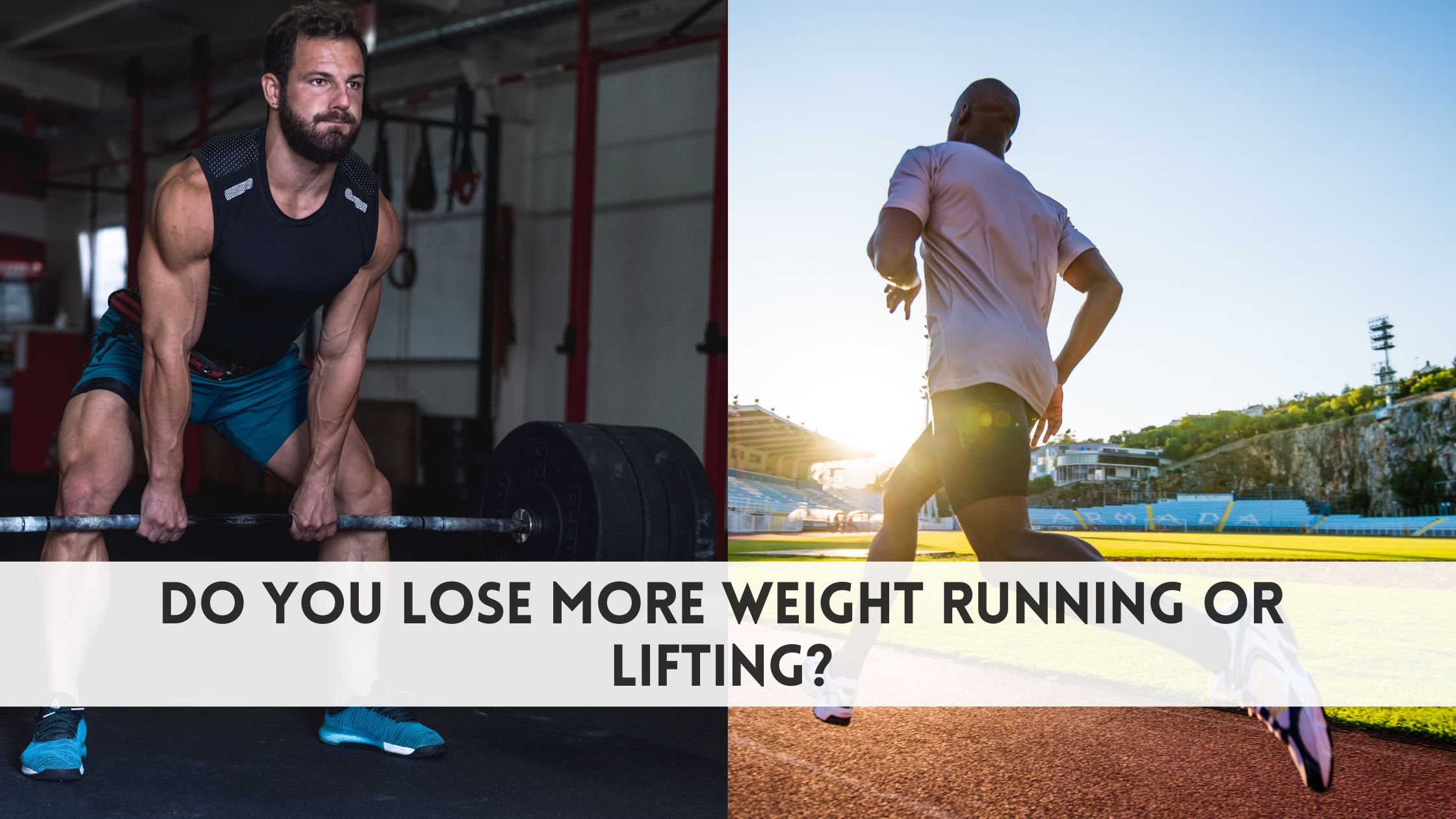
Do you lose more weight running or lifting?
Both running and weight lifting are effective exercises for weight loss, but they work in different ways to achieve results. Running is a cardiovascular exercise that helps burn a significant amount of calories in a relatively short period. It primarily targets fat loss and can lead to quick weight reduction due to the high intensity and continuous movement involved. Running also improves cardiovascular health, making it an excellent choice for overall fitness.
In contrast, weight lifting is a form of strength training that focuses on building lean muscle mass. While it may not burn as many calories per session as running, weight lifting has a long-term impact on fat loss by increasing your metabolism. More muscle means your body burns more calories at rest, which helps you lose fat over time. Additionally, weight lifting enhances body composition, improving muscle tone and strength.
- Running burns calories rapidly, making it ideal for quick fat loss.
- Weight lifting increases muscle mass, boosting metabolism and promoting long-term fat loss.
- Combining both exercises can be the most effective approach for comprehensive weight loss and overall fitness.
Ultimately, whether you lose more weight running or lifting depends on your specific goals. A combination of both often yields the best results for sustainable weight loss.
Weight Lifting for Weight Loss
Weight lifting for weight loss might seem counterintuitive to some, as strength training typically focuses on building muscle, not burning fat. However, weight lifting is an effective way to lose weight, and here’s why:
Increases Metabolism
- Weight lifting boosts your metabolism by increasing lean muscle mass.
- Muscle burns more calories at rest than fat, leading to a higher daily calorie burn.
- As muscle mass grows, your body continues to burn more calories, even when you’re not working out.
- A higher metabolism aids in sustained fat loss over time.
Muscle Preservation
- Weight lifting helps preserve muscle mass during a calorie deficit.
- Retaining muscle is essential for maintaining a toned and lean physique.
- Strong muscles promote better overall body composition, improving both appearance and function.
- Preventing muscle loss while losing fat is crucial for long-term fitness success.
Afterburn Effect
- Weight lifting triggers the afterburn effect, also known as EPOC (Excess Post-Exercise Oxygen Consumption).
- The afterburn effect means your body continues to burn calories for hours after your workout.
- This extended calorie burn accelerates fat loss, even during rest.
- Intense weight lifting sessions are especially effective for maximizing post-workout calorie expenditure.
Strength and Functionality
- Strength training enhances overall functional strength, aiding in daily activities and other exercises.
- Weight lifting improves bone density and joint health, promoting overall well-being.
- It increases physical performance, making everyday tasks easier and reducing the risk of injury.
- Developing functional strength through lifting supports other fitness goals, such as running or sports.
Running for Weight Loss
Running, on the other hand, is a classic fat-burning exercise and is often favored by those looking to shed pounds quickly. When you engage in a running workout, your body burns calories in real-time, which contributes directly to weight loss.
High-Calorie Burn
- Running is one of the most effective exercises for burning calories quickly.
- A 30-minute run can burn between 300 to 500 calories, depending on speed and intensity.
- The faster and longer you run, the more calories you’ll burn, accelerating fat loss.
- The higher your body weight, the more calories you burn per run, making it an efficient weight loss tool.
Improved Cardiovascular Health
- Regular running enhances heart and lung function, improving overall cardiovascular health.
- Running lowers the risk of heart disease by improving circulation and reducing blood pressure.
- It increases stamina, making it easier to perform other physical activities.
- Improved cardiovascular health supports long-term fat loss and better endurance during workouts.
Fat Loss
- Running is specifically effective for reducing body fat compared to other exercises.
- The repetitive, consistent motion helps break down fat stores, particularly when combined with a calorie-controlled diet.
- Running engages multiple muscle groups, promoting fat loss throughout the entire body.
- It helps reduce visceral fat, which is linked to a higher risk of chronic diseases.
Variety and Accessibility
- Running requires minimal equipment, just a good pair of shoes, making it cost-effective.
- It can be done indoors on a treadmill or outdoors, offering flexibility in your workout routine.
- It’s a versatile exercise that can fit into any schedule, with no need for a gym.
- Running is accessible to most people and can be adapted for different fitness levels, from beginners to advanced athletes.
Running vs. Lifting: What’s Best for You?
While choosing between running and lifting, it’s essential to consider the following factors:
| Factor | Running | Weight Lifting |
| Calories Burned (per 30 minutes) | High (300-500 calories) | Moderate (150-250 calories) |
| Boosts Metabolism | Temporary increase | Long-term boost due to muscle gain |
| Muscle Growth | None or minimal | Significant muscle gain |
| Impact on Fat Loss | Quick fat burning | Long-term fat loss with muscle preservation |
| Flexibility and Access | Easy, requires minimal equipment | Requires equipment or a gym |
| Cardiovascular Health | Excellent cardiovascular benefits | Moderate benefits |
- Your Fitness Goals: If your primary goal is to burn calories and lose fat quickly, running may be your best option. However, if you want to build muscle and boost your metabolism in the long term, weight lifting will be more beneficial.
- Your Schedule: If you have limited time, running offers a quicker, more time-efficient way to burn calories. Weight lifting may require more preparation and focus, but its benefits are long-lasting.
- Enjoyment: The best exercise is the one you enjoy most. If you enjoy the feeling of running and find it relaxing, it’s more likely that you’ll stick with it. Similarly, if weight lifting excites you and challenges your body in ways that running doesn’t, this might be a better option for your routine.
Benefits of Combining Running and Weightlifting
While both running and weight lifting offer distinct benefits for weight loss, combining both exercises can yield the most effective results. Here’s why:
Enhanced Fat Loss
- Combining running and weight lifting accelerates fat loss by burning calories and building muscle.
- Running burns calories quickly, while weight lifting boosts metabolism for long-term fat burning.
- The muscle-building benefits of lifting help preserve lean tissue while you lose fat from running.
- The combination of both exercises maximizes calorie burn, promoting quicker and more sustainable fat loss.
Balanced Fitness
- A combination of running and weight lifting creates a comprehensive fitness plan that targets both endurance and strength.
- Running improves cardiovascular health, while weight lifting enhances muscle strength and flexibility.
- This well-rounded approach ensures that you’re developing strength, stamina, and overall fitness simultaneously.
- Both exercises complement each other, leading to better overall physical performance and improved body composition.
Sustainability
- Mixing running and weight lifting keeps your workout routine fresh and engaging.
- Alternating between the two exercises prevents workout fatigue and ensures long-term adherence.
- The variety of exercises increases motivation and excitement, helping you stay consistent with your fitness goals.
- A varied routine also helps reduce the risk of injury by preventing overuse of the same muscles.
Avoid Plateaus
- Combining both exercises challenges your body in different ways, avoiding a workout plateau.
- Running and weight lifting target different muscle groups, which keeps your body adapting and improving.
- Switching between aerobic and strength training exercises continuously stimulates muscle growth and fat loss.
- A mixed workout routine ensures that your body stays in fat-burning mode and avoids stagnation in progress.
Final Words
So, Do you lose more weight running or lifting? Ultimately, whether you lose more weight running or lifting depends on your specific fitness goals. Running is an excellent calorie-burning exercise that helps with immediate fat loss and improves cardiovascular health. It’s ideal for those seeking quick results and efficient calorie burn. On the other hand, weight lifting focuses on building muscle mass, which increases your metabolism and helps you burn more calories at rest. This leads to long-term fat loss and improved body composition.
For optimal weight loss and fitness, combining both running and weight lifting is the most effective strategy. Running accelerates fat burning, while weight lifting preserves and builds lean muscle, boosting your metabolism. Together, they offer a well-rounded approach that improves cardiovascular health, strength, and overall fitness. By incorporating both exercises into your routine, you can achieve sustainable weight loss, avoid plateaus, and ensure long-term success in reaching your fitness goals.