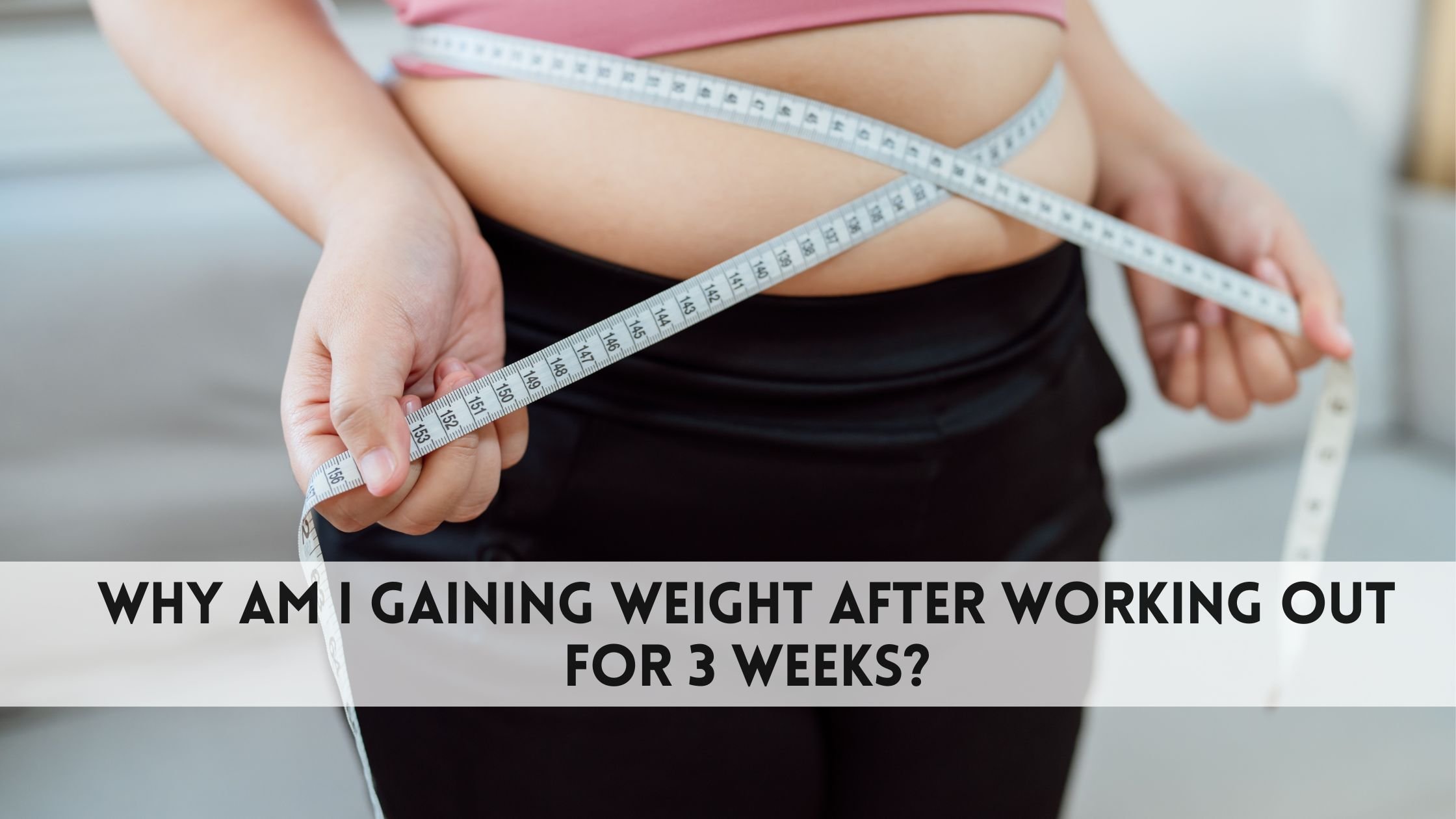
Starting a new workout routine can be frustrating when the scale goes up instead of down. If you’re asking, “Why am I gaining weight after working out for 3 weeks?”, you’re not alone. Many individuals, especially beginners, face this challenge. Weight gain after three weeks of exercise can be caused by several factors, including muscle gain, water retention, and hormonal fluctuations. Understanding these reasons is crucial to avoid discouragement and stay motivated. In this blog, we will discuss why you may be gaining weight despite working out, helping you focus on long-term health and fitness progress.
Why Am I Gaining Weight After Working Out for 3 Weeks?
Seeing the scale go up after starting a workout routine can feel discouraging, but it is a common experience. Early changes in diet and exercise often cause short-term weight fluctuations that are likely temporary and not a true reflection of fat gain. Key reasons this can happen include:
- Your body retains more water as muscles repair and adapt to new workouts.
- Increased muscle mass can add weight even as body fat begins to reduce.
- Changes in appetite may lead you to consume more calories from everything you eat.
- Hidden calories from snacks, drinks, or portion sizes can add up over time.
- Early metabolic and hormonal adjustments can shift how your body responds toward your weight goals.
- Consistency in training and nutrition gradually helps move results toward your weight expectations rather than short-term scale changes.
How Diet and Appetite Affect Your Results?
What you eat and how your appetite changes can significantly influence early fitness outcomes, especially during the first few weeks of consistent training.
Increased Hunger After Training
Workouts can stimulate appetite, causing you to consume more calories than expected. This is one of the reasons why you might notice unexpected scale changes, even when exercise frequency and intensity are increasing.
Calorie Intake Exceeding Energy Burn
Many people unintentionally eat back more calories than they burn during workouts. This imbalance is a common contributor to weight gain after exercise, particularly when portion sizes and daily intake are not monitored.
Nutrient Quality and Meal Timing
Choosing nutrient-dense foods at the right times supports recovery and performance. Balanced meals that effectively fuel your muscles help maintain training consistency and prevent fatigue without adding unnecessary calories.
Emotional and Habit-Based Eating Patterns
Post-workout eating can sometimes become routine rather than need-based. Aligning nutrition with training goals ensures meals support recovery and long-term results, not just short-term appetite satisfaction.
Female-Specific Weight Gain While Working Out
How to Track Progress Beyond the Scale?
When to Adjust Your Workout or Seek Professional Help?
Common Causes of Weight Gain After Starting a Fitness Program
Final Words
So, why am I gaining weight after working out for 3 weeks? Gaining weight after working out for 3 weeks can be confusing and frustrating, but it is important to understand that several factors are at play. Water retention, muscle gain, hormonal fluctuations, and even dietary changes can all contribute to weight gain. Rather than focusing on the scale, it’s essential to track your progress in different ways, such as by monitoring how your clothes fit, measuring your body composition, and noting improvements in strength and endurance.
Remember, weight gain in the early stages of a workout routine is often temporary, and it’s a sign that your body is adapting to the new physical demands. Be patient, stay consistent, and focus on long-term health and fitness goals. With the right mindset, you’ll see the results you’re working hard for.
Frequently Asked Questions
Is it normal to gain weight when you first start working out?
Yes, initial weight gain is common due to water retention, muscle repair, and hormonal adjustments. These changes are temporary and do not reflect actual fat gain during early training.
Does building muscle make you heavier on the scale?
Yes, muscle is denser than fat, so strength training can increase scale weight even while body fat decreases. Focus on measurements and body composition, not just the scale.
When should I worry if the weight keeps increasing?
Persistent weight gain beyond the first few weeks, combined with fatigue or poor recovery, may indicate dietary imbalances, overtraining, or medical issues. Consult a fitness professional or healthcare provider.
How can I measure progress without using the scale?
Track body measurements, strength gains, endurance, and how clothes fit. Progress photos and monitoring exercise intensity provide clear indicators of fitness improvements beyond weight alone.