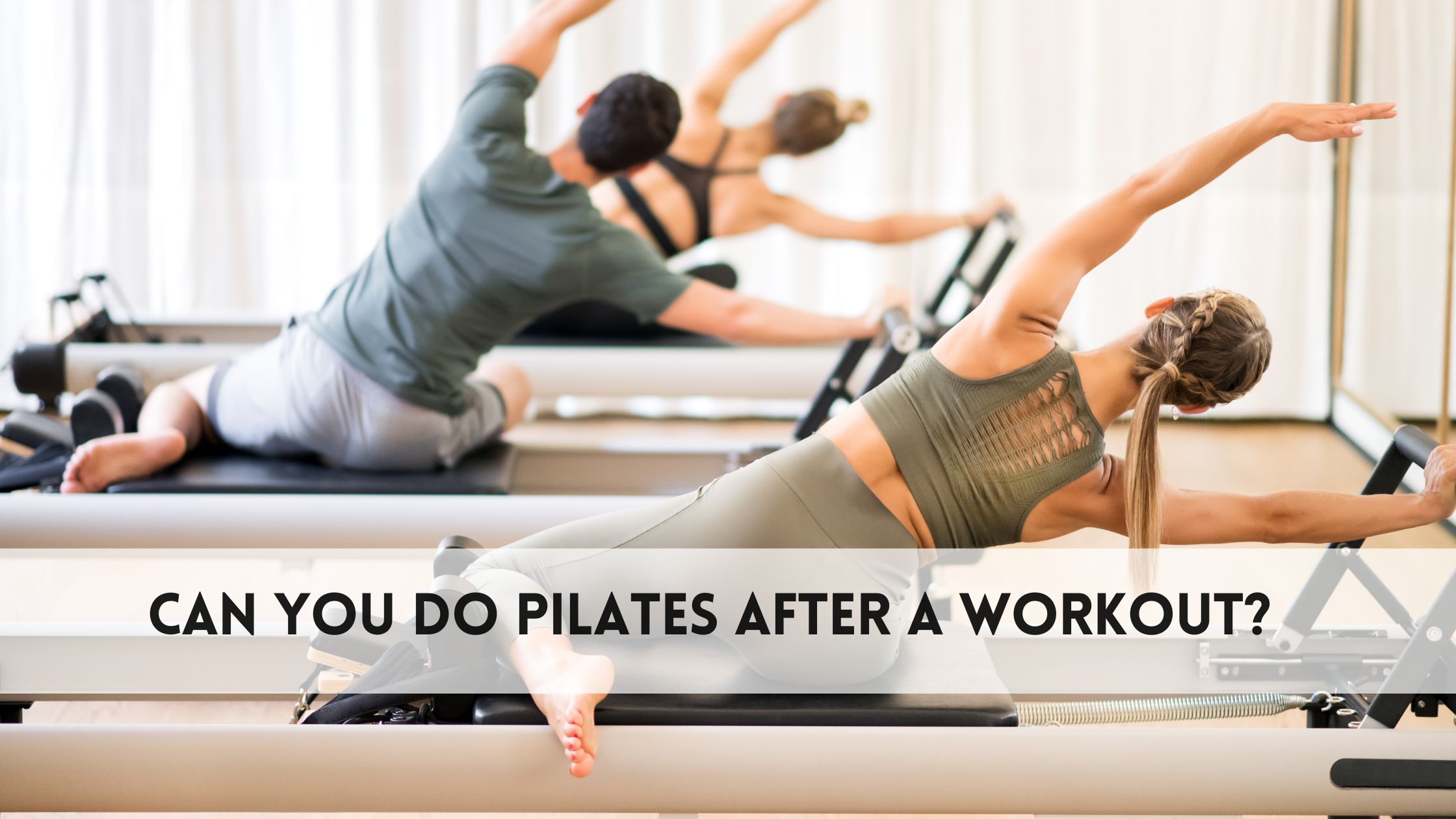
Ever wondered can you do Pilates after a workout or if it’s better to do it before? Many fitness enthusiasts in Brampton often ask this question when planning their routines. Pilates is an excellent low-impact exercise that improves posture, flexibility, and core stability. However, the timing of your Pilates session can affect recovery and performance. Combining Pilates with cardio, strength training, or weight training can maximize mobility, balance, and muscle activation. In this guide, we’ll explain how to structure your workouts effectively so you can make the most of your training and achieve long-term fitness results.
What Does “Pilates After a Workout” Really Mean?
Pilates after a workout refers to incorporating a focused Pilates session once your primary training is complete. Rather than adding high intensity, this approach uses controlled movements to support recovery and balance. A post-exercise pilates workout emphasizes alignment, breathing, and stability, allowing tired muscles to reset. Since pilates focuses on core control and flexibility, it complements strength or cardio training without overloading the body.
Can You Do Pilates After a Workout?
Absolutely. Incorporating a post-workout Pilates session can be crucial for muscle recovery, helping to relieve tension, improve circulation, and restore flexibility after strength or cardio training. While it might look gentle compared to high-intensity workouts, Pilates offers controlled movements that effectively engage stabilizing muscles. Following proper guidance to help ensure correct form, alignment, and breathing is essential to maximize benefits. Integrating Pilates after exercise can support your fitness goals, including enhanced core strength, improved posture, and reduced soreness. By pairing your regular training with a structured Pilates routine, you create a balanced approach that strengthens the body, supports overall recovery, and enhances long-term performance.
Benefits of Doing Pilates After Strength Training and Cardio
Doing Pilates after strength training and cardio offers unique recovery and performance benefits, helping your body recharge while improving flexibility, posture, and core strength.
Enhances Muscle Recovery
Post-workout Pilates helps relieve tension and reduce soreness by promoting blood flow to fatigued muscles. By incorporating controlled stretches and mindful movements, you can learn how to structure your routine for optimal recovery after intense training.
Improves Core Strength and Stability
Pilates engages deep core muscles, often underworked in traditional workouts. These movements also improve balance and posture, enhancing overall body control and supporting better performance in future strength or cardio sessions.
Increases Flexibility and Range of Motion
Stretching through Pilates after exercise lengthens muscles and prevents stiffness. By paying attention and listening to your body, you can safely expand your mobility, reducing injury risk and enhancing functional fitness.
Promotes Mindful Body Awareness
Pilates emphasizes breath control, alignment, and coordination. These movements also teach you to connect with your body, helping you listen to your body’s signals and adjust intensity or recovery as needed for long-term results.
Common Mistakes When Doing Pilates After a Workout
While Pilates after a workout offers many benefits, avoiding common mistakes with different types of exercises ensures safe and effective results for recovery, strength, and flexibility.
-
Starting too soon without proper warm-up can increase muscle stiffness and strain.
-
Ignoring proper form reduces the effectiveness of each Pilates exercise.
-
Pushing intensity too high may lead to fatigue rather than recovery.
-
Skipping breath control limits core engagement and better balance.
-
Following generic routines without adjustments is risky because everyone is different.
-
Holding tension instead of relaxing muscles can decrease flexibility and recovery benefits.
-
Neglecting to listen to your body may cause soreness or injury, reducing Pilates’ overall benefits.
Who Should Avoid Pilates Right After Intense Training?
While Pilates is generally safe, certain individuals should avoid doing it immediately after intense exercise. Those experiencing extreme fatigue, injury, or soreness may strain muscles if added to their workout routine. Beginners who are still learning proper form should wait to prevent improper movement patterns. People recovering from surgery or chronic pain conditions might also need professional guidance before attempting post-workout Pilates. On heavy training days, it’s best to prioritize rest or light stretching instead. Listening to your body ensures recovery, prevents injury, and helps maintain long-term consistency in your fitness program.
Final Words
So, can you do pilates after a workout? Performing pilates is an effective way to enhance recovery, flexibility, and overall body balance. Whether following cardio, strength, or weight training, Pilates helps lengthen tight muscles, improve posture, and reduce soreness. It allows the body to cool down gradually while promoting relaxation and mobility. Regular practice also strengthens stabilizing muscles that support better movement patterns and joint health. Integrating Pilates into your fitness routine creates a more balanced approach to training, helping you recover faster and move more efficiently. For individuals focused on long-term performance and well-being, combining Pilates with other workouts leads to improved strength, flexibility, and endurance, key elements of a sustainable and healthy lifestyle.
Frequently Asked Questions
Is Pilates good for muscle recovery after a workout?
Yes, Pilates promotes blood flow, reduces tension, and gently stretches muscles, making it effective for post-workout recovery and supporting overall flexibility and core stability.
Can Pilates help with muscle soreness?
Absolutely. Pilates helps release tight muscles, improves circulation, and encourages gentle movement, reducing delayed onset muscle soreness (DOMS) and aiding faster recovery after intense workouts.
What type of Pilates is best after intense exercise?
Low‑to‑moderate intensity or mat-based Pilates focusing on stretching, core engagement, and controlled breathing is ideal for recovery after intense strength or cardio sessions.
Should you do Pilates before or after a workout?
Both can work, but doing Pilates after a workout supports recovery, flexibility, and muscle relaxation, while pre-workout Pilates helps with warm-up and mobility.