Many people working on core strength often wonder, are hanging leg raises good for abs, and the answer is yes, when performed with proper control, they can be one of the most effective exercises for building a strong midsection. This advanced movement activates the entire core, especially the lower abs, making it a popular choice for clients in Brampton who prefer efficient at-home training. As professional personal trainers, we’ve seen how exercises like hanging leg raises improve posture, stability, and overall functional strength. This guide explains how they work, who should use them, and the key benefits behind this powerful core exercise.
What Are Hanging Leg Raises?
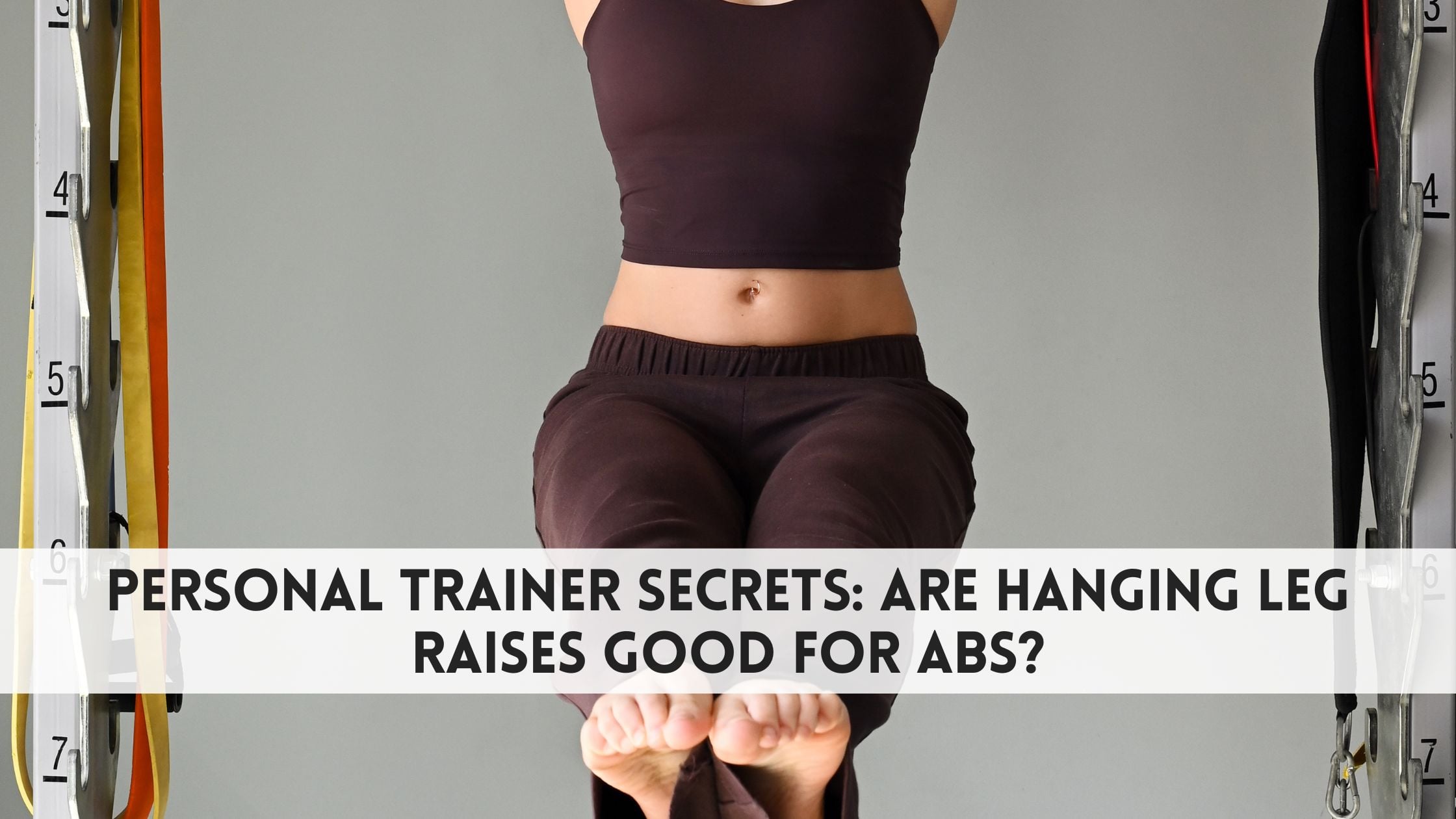
Hanging leg raises are a controlled core exercise performed from a secure overhead position, typically using a pull-up bar or suspension trainer. While hanging, you lift your legs upward through a slow, deliberate motion that engages the abdominal muscles rather than relying on momentum. This movement challenges the lower abs, hip flexors, obliques, and deep stabilizing muscles along the spine, making it a highly effective core-strengthening technique.
Because it demands strength, stability, and coordination, the exercise is often included in athletic and advanced fitness programs. Many Brampton clients also use portable or doorway bars at home to practice proper form under professional guidance. Understanding how the movement works is essential before progressing to more challenging variations.
Are Hanging Leg Raises Good for Abs?
Hanging leg raises are highly effective for activating the core and strengthening the abdominal muscles. This exercise challenges the rectus abdominis through a larger range of motion compared to traditional floor movements, creating a deeper level of engagement. It also targets the lower portion of the abs, an area many people find difficult to train efficiently.
Because this movement demands control, stability, and upper-body strength, it is considered an advanced core exercise. Without proper form, individuals may rely on momentum or overuse the hip flexors, reducing effectiveness. In professional training settings, especially with clients in Brampton, progressions such as knee raises or reverse crunches are often introduced first. When performed with proper technique, hanging leg raises offer significant benefits while promoting strong, stable, and well-balanced core development.
Hanging Leg Raises Benefits
Understanding the key benefits helps explain why this exercise remains so highly recommended among professional trainers:
Strong Lower Abdominal Activation
Controlled leg raises significantly engage the lower portion of the abdominal muscles, an area many exercises fail to target effectively. This focused activation supports better midsection strength, improved control, and enhanced overall core development, making the movement valuable for anyone working toward a stronger, more defined core.
Enhanced Core Stability
This exercise strengthens deep stabilizing muscles that support proper movement, balance, and posture. By challenging the body to stay steady while lifting the legs, it trains the core to resist rotation and sway, improving functional strength used in daily activities, sports, and full-body training routines.
Increased Grip and Upper-Body Strength
Holding your body weight during the movement helps build endurance and strength in the forearms, shoulders, and lats. This additional upper-body engagement supports better pull-up performance, reduces fatigue during other exercises, and enhances overall athletic capability by improving grip and upper-body stability.
Improved Hip Flexor Strength and Mobility
The lifting motion trains the hip flexors to work efficiently while maintaining proper alignment. Strengthening this area improves stride mechanics, posture, and lower-body control, which is especially beneficial for running, athletic movements, and reducing tightness that commonly contributes to discomfort in the lower back.
Better Postural Control
By building a stronger and more stable core, this exercise helps reduce unnecessary strain on the spine and improves overall alignment. Better posture leads to reduced fatigue, improved movement efficiency, and greater protection during physical activities, contributing to long-term musculoskeletal health and performance.
Who Should Do Hanging Leg Raises?
Hanging leg raises are best suited for individuals who already have a solid foundation of core strength and upper-body stability. They are an excellent choice for intermediate and advanced fitness enthusiasts, athletes, and anyone comfortable performing controlled movements while supporting their full body weight. This exercise is particularly effective for people aiming to improve core strength, balance, and overall functional performance.
Beginners, however, may find the movement challenging due to limited shoulder stability, grip strength, or core control. In professional training settings across Brampton, progressions such as knee raises or supported variations are often used to build confidence and proper technique. Individuals dealing with lower-back discomfort, tight hip flexors, or shoulder issues should seek guidance from a trainer before attempting this exercise. Proper assessment ensures the movement is both safe and effective, allowing clients to progress gradually while avoiding unnecessary strain or injury.
Tips for Performing Hanging Leg Raises Safely
To get the best results and avoid injury, follow these personal trainer-approved safety tips:
Focus on Core Engagement and Controlled Movement
Before lifting your legs, brace your core to ensure the movement is driven by abdominal strength rather than momentum. Slow, deliberate strength training improves muscle activation, reduces strain on the lower back, and helps maintain proper form throughout each repetition for safer, more effective training.
Maintain Shoulder Stability and Prevent Swinging
Stabilize your shoulders by pulling the lats down and keeping the upper body steady while hanging. This prevents unnecessary swinging, protects the shoulder joints, and creates a solid base for the movement, allowing your core muscles to work efficiently without overloading supporting areas.
Use Proper Breathing and Gradual Progression
Exhale as you lift your legs and inhale as you lower them to maintain control and reduce tension. Start with fewer reps or simpler variations, increasing difficulty only when your form remains consistent, helping avoid overexertion and promoting long-term, sustainable core strength.
Adjust Leg Position and Build Strength Safely
Choose a leg position that matches your current ability, straight legs for advanced individuals or bent knees for greater control. If grip or core strength is limited, begin with supported progressions to prevent strain and ensure a safe, effective path toward performing full hanging leg raises.
Final Words
So, are hanging leg raises good for abs? Absolutely. When performed with proper control, they offer some of the highest levels of abdominal activation and help strengthen the entire core. This advanced movement improves stability, posture, and overall functional strength, making it a valuable addition to any training program. Whether you’re working out in a Brampton gym or guided by an in-home personal trainer, using the right progressions ensures you experience the full hanging leg raises safely. Consistency, correct form, and gradual progression are the keys to avoiding injury and maximizing results. With professional guidance and mindful execution, this exercise can significantly elevate your core routine and help you build strong, resilient abdominal muscles.
Related Articles
- Custom Workout Programs Tailored to Your Goals
- Compound vs Isolation Workouts – Know the Difference
- Functional vs Traditional Strength Training
- How Many Days a Week Should You Workout?
- In-Home Personal Training in Brampton – Work With a Certified Trainer
Frequently Asked Questions
Are hanging leg raises good for abs for beginners?
Beginners may find them challenging. It’s best to start with easier alternatives, then progress.
What muscles do hanging leg raises work?
They target the lower abs, hip flexors, obliques, and core stabilizers, while improving grip strength.
How often should I do hanging leg raises?
2–3 times per week is ideal for most people, depending on your fitness level and training goals.
Can hanging leg raises cause back pain?
Poor form can strain the lower back. Start with progressions and ensure proper technique to avoid discomfort.
Are hanging leg raises better than crunches?
They offer greater muscle activation and a larger range of motion, making them more challenging and effective.