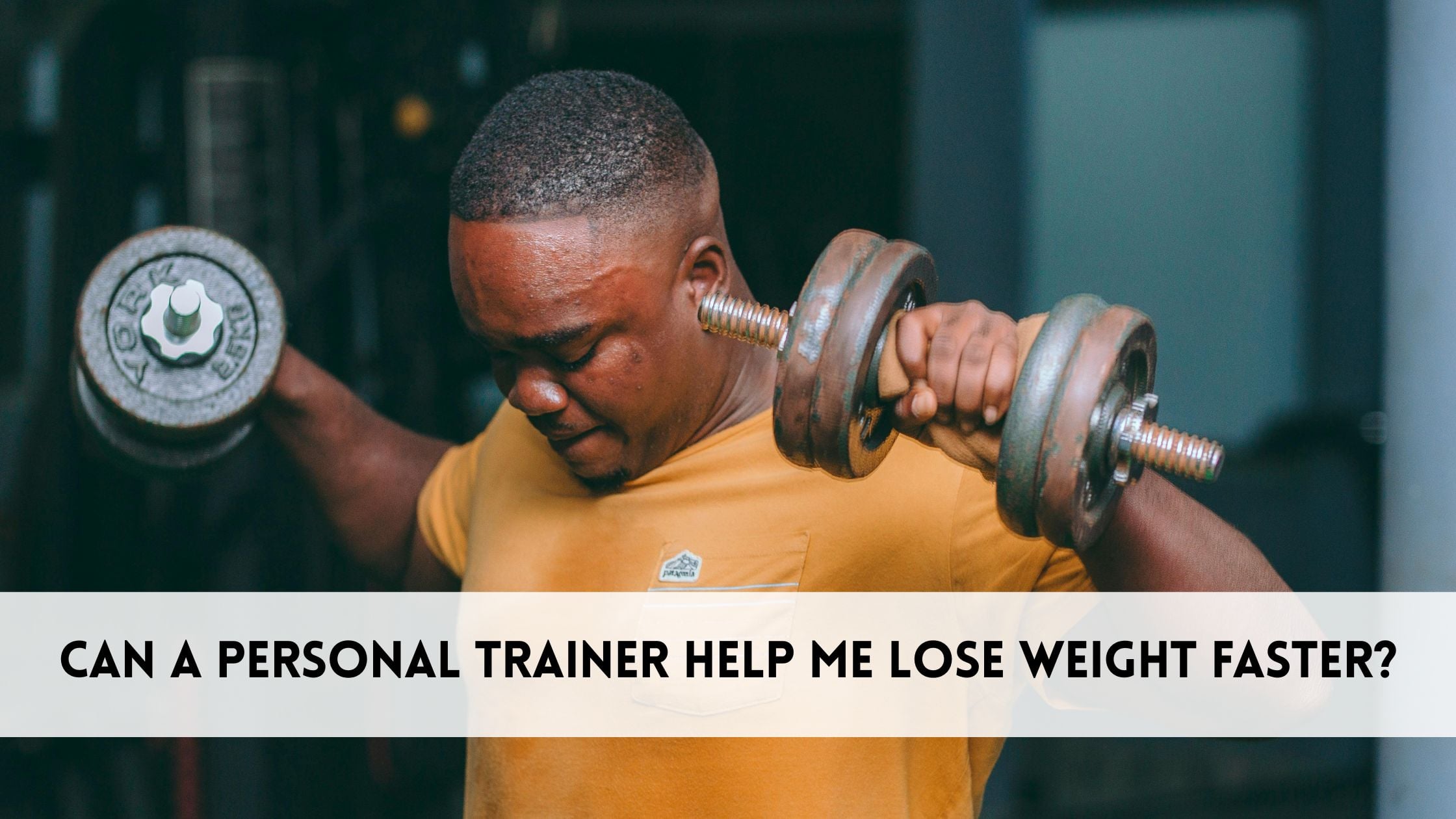



When starting personal training, many people want guidance that goes beyond exercise. A common question is, “Do personal trainers provide nutrition advice?” In many cases, personal trainers can offer general nutrition guidance related to healthy eating, hydration, protein intake, meal timing, and habits that support fitness goals. However, the level of nutrition support depends on the trainer’s qualifications, education, and professional scope. Personal trainers can help clients make practical lifestyle changes, while specialized dietary needs may require a qualified nutrition professional.
What Kind of Nutrition Advice Can a Personal Trainer Give?
Nutrition guidance can complement a structured fitness routine by helping clients make practical choices that support energy, recovery, performance, and long-term consistency. A trainer’s advice should remain within their qualifications and professional scope.
General Healthy Eating Guidance
A trainer can explain balanced eating by encouraging vegetables, fruits, whole grains, lean proteins, legumes, nuts, seeds, and healthy fats. The focus should be on practical, sustainable habits rather than restrictive diets.
Hydration
Proper hydration supports normal body function and exercise performance. Trainers can encourage clients to drink fluids regularly and consider factors such as workout intensity, duration, sweating, weather, and individual needs.
Protein and Workout Support
Trainers can explain the importance of protein for muscle maintenance and recovery and suggest suitable food sources. Individual protein requirements vary according to body size, activity, goals, and health circumstances.
Meal Timing
A trainer can discuss practical eating patterns around workouts, including meals or snacks before and after exercise. Timing should consider training intensity, personal preferences, daily schedules, and digestive comfort.
Portion and Food-Choice Awareness
Trainers can help clients become more aware of portions, meal composition, hunger cues, and everyday food choices. This encourages balanced eating habits without relying on unnecessary calorie restriction or extreme dietary rules.
Can a Personal Trainer Create a Personalised Meal Plan?
Yes, a personal trainer can create or provide meal-planning guidance in some cases, but it depends on their qualifications, education, and professional scope. A standard personal training certification does not automatically qualify someone to provide specialized nutrition care or work as a dietitian.
Some trainers complete additional nutrition education and may offer general meal-planning guidance, healthy food recommendations, or nutrition coaching. They can help clients organize meals around workouts, improve everyday eating habits, and establish practical nutrition goals.
However, specialized dietary needs require a different level of expertise. People with medical conditions, allergies, complex dietary requirements, or specific nutritional concerns may need support from a qualified nutrition professional. Before working with a trainer, ask about their nutrition qualifications and the type of guidance they provide. This ensures the advice is appropriate and within their professional expertise.
Can Nutrition Advice Help You Lose Weight?
Yes, nutrition habits can play an important role in weight management. Exercise increases physical activity and can help improve strength, fitness, and body composition, while eating habits influence overall energy intake and nutrient intake. A personal trainer may help clients establish practical habits that support their weight-loss goals, such as:
- Building balanced meals
- Including adequate protein
- Increasing awareness of portion sizes
- Choosing nutrient-dense foods more often
- Staying adequately hydrated
- Maintaining consistent meal habits
- Combining resistance training with cardiovascular activity
- Monitoring progress and adjusting fitness strategies
However, weight loss is not identical for everyone. Factors such as activity levels, dietary habits, sleep, stress, age, body composition, and individual health circumstances can influence results.
How do Nutrition and Personal Training Work Together?
Exercise and nutrition support different aspects of fitness, but combining them can create a more effective and sustainable approach. A structured workout routine can improve strength, endurance, mobility, and overall physical fitness, while appropriate eating habits can support energy, recovery, and consistency.
The approach should begin with a clear goal, followed by suitable training, supportive nutrition habits, recovery, progress tracking, and regular adjustments. For example, Someone following the steps for losing weight might benefit from regular exercise and balanced eating habits, while someone building strength may need adequate protein, energy, and recovery.
A trainer can monitor exercise performance, encourage healthy lifestyle habits, and adjust workouts as progress develops. This coordinated approach helps clients stay consistent while making gradual changes that support their individual goals and long-term fitness progress.
Questions You Should Ask a Personal Trainer About Nutrition
Before choosing a trainer, it is worth understanding exactly what type of nutrition support they provide. Asking the right questions can help you avoid confusion and find a program that matches your goals.
- What nutrition education or certifications do you have?
- Do you provide general nutrition guidance?
- Do you create personalised meal plans?
- Can you help me build healthier eating habits?
- How do you incorporate nutrition into my fitness goals?
- How do you track progress?
- When would you recommend working with a dietitian or nutrition professional?
When Should You Work With a Nutrition Professional?
Personal trainers can be valuable fitness coaches, but there are situations where specialised nutrition support is more appropriate. A registered dietitian or another suitably qualified nutrition professional can address dietary needs that go beyond general fitness guidance. You may want to seek professional nutrition advice if you have:
- A medical condition requiring dietary management
- Food allergies or significant intolerances
- Complex dietary restrictions
- Pregnancy-related nutritional needs
- A history of an eating disorder or disordered eating
- A therapeutic diet prescribed for a health condition
- Specific clinical nutrition concerns
Final Words
So, do personal trainers provide nutrition advice? In many cases, yes. A personal trainer may offer general nutrition education, hydration guidance, protein awareness, meal-timing suggestions, and practical strategies for developing healthier eating habits. However, the scope of that support depends on the trainer’s qualifications and should not be confused with specialized nutrition care.
For someone pursuing fitness or weight-loss goals, combining structured exercise with sustainable nutrition habits can provide a more complete approach to long-term progress. If you are considering a personal trainer in Brampton, ask about their nutrition qualifications, the type of guidance they provide, and when they recommend working with a nutrition professional.
FAQs
1. Can a personal trainer give nutrition advice?
Yes. Personal trainers may provide general guidance on healthy eating, hydration, protein, meal timing, and nutrition habits that support fitness goals.
2. Can a personal trainer create a meal plan?
Some trainers with additional nutrition education may provide meal-planning guidance. However, specialised or therapeutic meal plans may require a qualified nutrition professional.
3. Can a personal trainer help with weight loss?
Yes. Trainers can support weight loss through structured exercise, accountability, progress tracking, activity planning, and general guidance on sustainable healthy habits.
4. Should I hire a personal trainer or a dietitian?
A personal trainer focuses on exercise and fitness, while a dietitian specialises in nutrition. Depending on your needs, working with both may be beneficial.
5. Is nutrition advice included with personal training?
Nutrition support depends on the trainer and program. Some provide general guidance or habit coaching, while others focus entirely on exercise.