why am i gaining weight after working out for 3 weeks

Why am I gaining weight after working out for 3 weeks?

08/11/2025
by: raisetbar
round-text

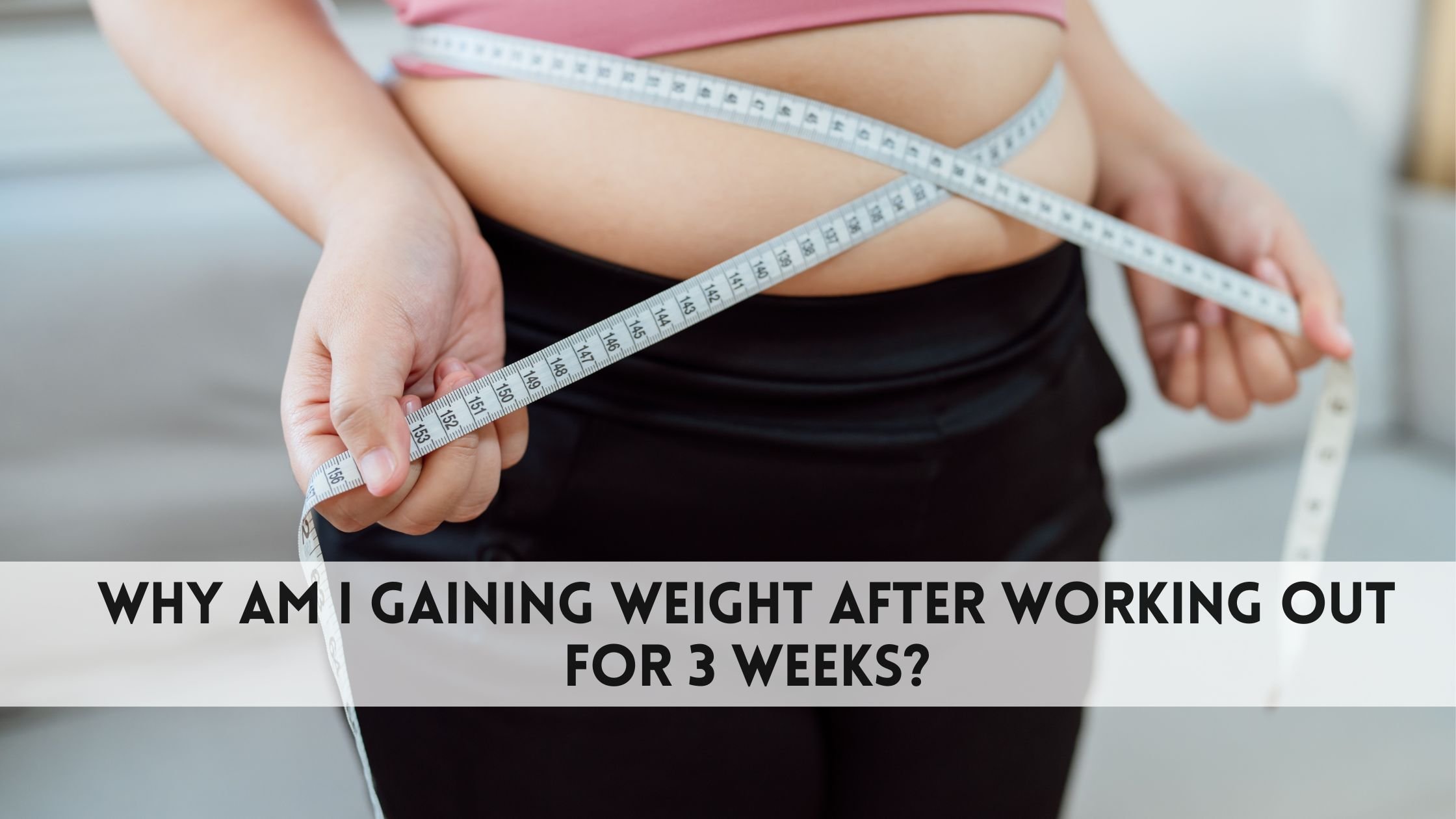
Starting a new workout routine can be frustrating when the scale goes up instead of down. If you’re asking, “Why am I gaining weight after working out for 3 weeks?”, you’re not alone. Many individuals, especially beginners, face this challenge. Weight gain after three weeks of exercise can be caused by several factors, including muscle gain, water retention, and hormonal fluctuations. Understanding these reasons is crucial to avoid discouragement and stay motivated. In this blog, we will discuss why you may be gaining weight despite working out, helping you focus on long-term health and fitness progress.

Why Am I Gaining Weight After Working Out for 3 Weeks?

Seeing the scale go up after starting a workout routine can feel discouraging, but it is a common experience. Early changes in diet and exercise often cause short-term weight fluctuations that are likely temporary and not a true reflection of fat gain. Key reasons this can happen include:

  • Your body retains more water as muscles repair and adapt to new workouts.
  • Increased muscle mass can add weight even as body fat begins to reduce.
  • Changes in appetite may lead you to consume more calories from everything you eat.
  • Hidden calories from snacks, drinks, or portion sizes can add up over time.
  • Early metabolic and hormonal adjustments can shift how your body responds toward your weight goals.
  • Consistency in training and nutrition gradually helps move results toward your weight expectations rather than short-term scale changes.

How Diet and Appetite Affect Your Results?

What you eat and how your appetite changes can significantly influence early fitness outcomes, especially during the first few weeks of consistent training.

Increased Hunger After Training

Workouts can stimulate appetite, causing you to consume more calories than expected. This is one of the reasons why you might notice unexpected scale changes, even when exercise frequency and intensity are increasing.

Calorie Intake Exceeding Energy Burn

Many people unintentionally eat back more calories than they burn during workouts. This imbalance is a common contributor to weight gain after exercise, particularly when portion sizes and daily intake are not monitored.

Nutrient Quality and Meal Timing

Choosing nutrient-dense foods at the right times supports recovery and performance. Balanced meals that effectively fuel your muscles help maintain training consistency and prevent fatigue without adding unnecessary calories.

Emotional and Habit-Based Eating Patterns

Post-workout eating can sometimes become routine rather than need-based. Aligning nutrition with training goals ensures meals support recovery and long-term results, not just short-term appetite satisfaction.

Female-Specific Weight Gain While Working Out

Female weight changes during the early stages of training are often influenced by natural physiological and hormonal factors. Fluctuations in estrogen and progesterone can affect water retention, appetite, and energy levels, leading to temporary weight gain. Strength training may also promote lean muscle development, which can raise body weight without increasing body fat. In addition, stress, sleep quality, and menstrual cycle phases can impact how the body responds to exercise and nutrition. Many women also underestimate calorie intake while adjusting to new workout routines, especially when hunger increases. Understanding these female-specific responses helps set realistic expectations and prevents unnecessary frustration. Consistent training, balanced nutrition, and progress tracking beyond the scale are essential for achieving sustainable fitness results over time.

How to Track Progress Beyond the Scale?

The number on the scale does not always reflect real fitness progress, especially in the early stages of consistent training.

  • Track body measurements to see changes in inches, which often improve even when weight stays the same.
  • Monitor strength gains, as lifting heavier weights shows muscular development from resistance training.
  • Notice improvements in energy levels and stamina, indicating your body burns more calories efficiently over time.
  • Assess workout performance by tracking exercise intensity and endurance during sessions.
  • Pay attention to how your clothes fit, as this is a practical sign of changes in body composition.
  • Use progress photos to visually compare physical changes over weeks or months.
  • Track recovery speed and reduced soreness as signs of improved conditioning.
  • Focus on long-term habits and consistency, ensuring you are working toward sustainable fitness goals rather than short-term scale changes.

When to Adjust Your Workout or Seek Professional Help?

Recognizing when progress stalls or concerns arise helps ensure your training remains safe, effective, and aligned with your goals.

  • If you consistently see a higher number on the scale after several weeks despite structured training and balanced nutrition, your approach may need adjustment.
  • Persistent fatigue, soreness, or lack of recovery after starting an exercise program can indicate overtraining or improper workload management.
  • When you start working out regularly but notice a decline in performance or motivation, professional guidance can help refine your routine.
  • A poorly structured exercise program may limit results, especially if intensity, volume, or progression are not properly planned.
  • Consulting a qualified personal trainer or fitness professional provides personalized assessment, accountability, and strategic changes to support long-term progress.

Common Causes of Weight Gain After Starting a Fitness Program

Weight gain during the first few weeks of a new fitness routine is common and often reflects natural body adaptations rather than negative progress.

Increased Water Retention and Inflammation

When you begin exercising, your muscles experience microscopic stress that triggers repair. This process causes temporary fluid retention known as post-workout inflammation, which can increase scale weight even though fat levels may be decreasing during the early adaptation phase.

Lean Muscle Development

Strength-focused workouts stimulate muscle growth, which is denser than fat. As a result, muscle weight gain may occur even as body composition improves, making the scale misleading for those actively training and building strength in the initial weeks.

Higher Calorie Intake Than Expected

Exercise often increases appetite, leading people to eat more without realizing it. Consuming excess calories while training can slow progress toward weight loss goals, particularly if portion sizes or food quality are not carefully managed.

Changes in Training Style and Intensity

Programs that emphasize weight training can shift body composition before visible fat loss occurs. This style of exercise supports strength and metabolism but may temporarily add scale weight as the body adapts to new physical demands.

Short-Term Expectations vs Long-Term Results

Many people expect immediate results and become concerned after gaining much weight early on. Fitness progress is gradual, and early fluctuations are common before consistent training and nutrition lead to noticeable, sustainable improvements.

Final Words

So, why am I gaining weight after working out for 3 weeks? Gaining weight after working out for 3 weeks can be confusing and frustrating, but it is important to understand that several factors are at play. Water retention, muscle gain, hormonal fluctuations, and even dietary changes can all contribute to weight gain. Rather than focusing on the scale, it’s essential to track your progress in different ways, such as by monitoring how your clothes fit, measuring your body composition, and noting improvements in strength and endurance.

Remember, weight gain in the early stages of a workout routine is often temporary, and it’s a sign that your body is adapting to the new physical demands. Be patient, stay consistent, and focus on long-term health and fitness goals. With the right mindset, you’ll see the results you’re working hard for.

Frequently Asked Questions

Is it normal to gain weight when you first start working out?

Yes, initial weight gain is common due to water retention, muscle repair, and hormonal adjustments. These changes are temporary and do not reflect actual fat gain during early training.

Does building muscle make you heavier on the scale?

Yes, muscle is denser than fat, so strength training can increase scale weight even while body fat decreases. Focus on measurements and body composition, not just the scale.

When should I worry if the weight keeps increasing?

Persistent weight gain beyond the first few weeks, combined with fatigue or poor recovery, may indicate dietary imbalances, overtraining, or medical issues. Consult a fitness professional or healthcare provider.

How can I measure progress without using the scale?

Track body measurements, strength gains, endurance, and how clothes fit. Progress photos and monitoring exercise intensity provide clear indicators of fitness improvements beyond weight alone.

Start your journey

Book a free Consultation

Fill out the form or give us a call on: 1-833-782-3488

    What are your fitness goals?